Brand Voice Isn’t A PDF Nobody Reads. Here’s What It Actually Sounds Like
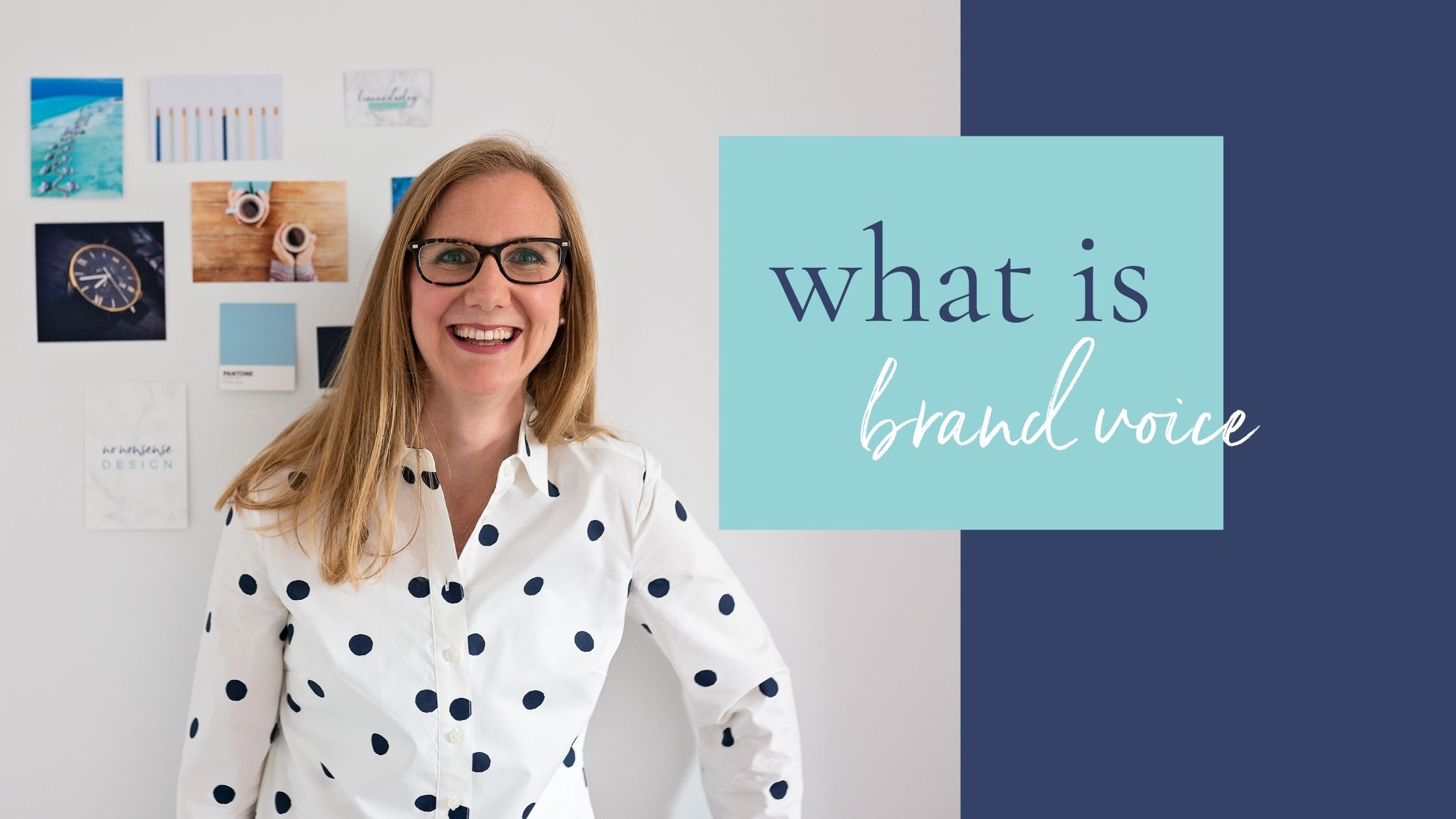
Ask most small business owners what their brand voice is and you’ll get a blank look, or a word they picked off a moodboard once. “Fun.” “Professional.” “Bold.” Fine words. Completely useless on their own, because they don’t tell you a single thing about how to actually write your next Instagram caption or reply to a customer email.
Here’s what nobody explains properly. Brand voice isn’t a document. It’s not three adjectives in a brand guidelines PDF that sits unopened in a folder. It’s what you actually sound like, consistently, everywhere someone hears from you. Your website copy, your out of office reply, the caption under your product photo, the text on your packaging. If all of those sound like different people wrote them, you don’t have a brand voice yet, no matter what your guidelines say.
The Gap Between What People Think It Is And What It Actually Does
Most people think brand voice is about sounding “on brand,” which usually gets translated as sounding polished, professional, a bit corporate. That’s exactly backwards. The businesses whose voice actually works are the ones that sound like a specific person, not a company. You read their caption and you can practically hear them saying it out loud. That’s not an accident. That’s the entire point.
A real brand voice does two jobs at once. It makes the right customer feel instantly like “oh, this is for me,” and it quietly filters out the customer who was never going to be a good fit anyway. If your voice tries to appeal to absolutely everyone, it ends up sounding like nobody, and it stops doing either job.
Where It Actually Comes From
Your brand voice isn’t invented, it’s noticed. It’s usually already there in how you talk to a friend about your business, in your genuine reaction when a customer says something daft in your DMs, in the way you’d explain your product to your mum versus how you currently explain it on your website. The gap between those two is usually where the problem lives. Most small business “about” pages sound nothing like the person who wrote them would actually talk, because somewhere along the way “sounding professional” got confused with “sounding like a brochure.”
Fixing it isn’t about writing a style guide first and trying to sound like it. It’s the other way round. Notice how you actually talk when you’re not trying, write that down properly, and use it as the reference point for everything else. The guide comes after, to capture what’s already working, not to invent something new that you then have to perform.
The Quick Test
Read your last five Instagram captions out loud. Then read your website homepage out loud. Do they sound like the same person said both? If there’s a noticeable shift, a formal, slightly stiff website next to a warm, chatty Instagram, that’s your brand voice gap, and it’s costing you more trust than you’d think. People notice inconsistency even when they can’t name what’s off about it.
Sorting this properly is exactly what the voice and dictionary work is for in the branding process, working out how your business actually sounds so it’s consistent everywhere, not just in the caption you happened to feel confident writing that day. If you want to work through it yourself, The Brand Prompt Pack has the exact prompts I use to pull a client’s real voice out of them.